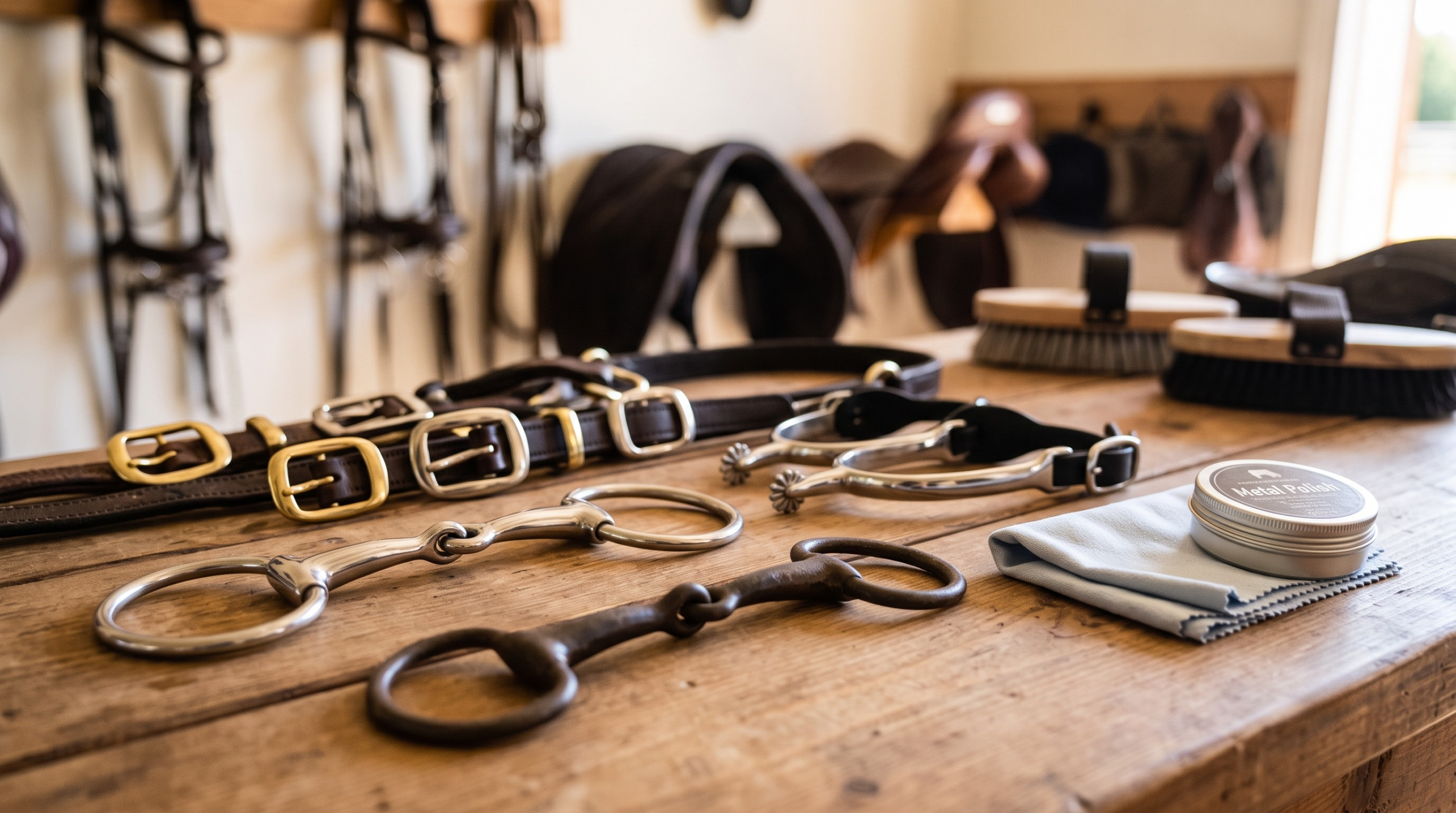
Equestrian hardware—from the bits in your horse’s mouth to the buckles on your premium halters and the spurs on your boots—represents a significant investment. Whether you are a tack shop retailer stocking up for the season or a rider managing a busy stable, keeping your metal gear in top condition is essential for safety, longevity, and aesthetics.
Because equestrian equipment is constantly exposed to moisture, equine saliva, sweat, and unpredictable weather, it is highly susceptible to corrosion. This guide provides step-by-step instructions on how to care for your essential hardware and stop rust in its tracks.
Why Does Equestrian Hardware Rust?
Rust (iron oxide) occurs when metals containing iron are exposed to oxygen and moisture. In the equestrian environment, horse sweat and saliva are highly acidic and contain salts that aggressively accelerate this oxidation process. Even high-quality metals can succumb to surface corrosion if left damp in a humid tack room. Proper daily cleaning and strategic storage are the only ways to interrupt this chemical reaction.
How Do You Clean and Maintain Horse Bits?
Bits require the most frequent cleaning because they sit directly in the horse’s mouth and are coated in saliva and feed residue after every ride.
What is the best way to clean a stainless steel bit?
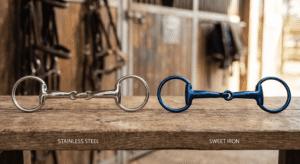
Stainless steel is naturally rust-resistant due to its chromium layer, but it still requires daily maintenance to remain sanitary and polished.
-
Rinse immediately: Submerge the bit in warm, clean water right after removing the bridle.
-
Scrub away debris: Use a soft-bristled brush (like an old toothbrush) to gently scrub away dried saliva, grass, or dirt from the hinges and joints.
-
Wipe completely dry: Use a clean microfiber towel to dry the bit thoroughly before hanging the bridle in the tack room.
-
Deep clean (Monthly): If the metal looks dull, soak it in warm water with a mild dish soap for 10 minutes, scrub, rinse, and buff to a high shine.
What is the best way to clean a sweet iron bit?
Sweet iron is designed to oxidize to create a sweet taste for the horse, so you will see a natural rust patina. However, you must prevent this beneficial oxidation from turning into structural, destructive rust.
-
Rinse and dry instantly: Wash the bit with warm water immediately after use. You must dry sweet iron completely; never let it air dry.
-
Apply a protective barrier: Once completely dry, lightly wipe the mouthpiece and joints with a food-safe oil, such as cold-pressed flaxseed oil or canola oil. This protects the metal from the ambient humidity in the air.
-
Check for sharp edges: Before every ride, inspect the bit. If heavy, flaky rust has formed, gently buff it smooth with a piece of very fine wet/dry sandpaper, wipe clean, and re-oil.
How Do You Clean Spurs and Riding Hardware?
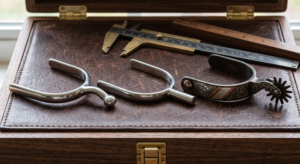
Spurs are constantly exposed to dirt, arena sand, and horse sweat from the flanks.
How should you remove dirt and sweat from spurs?
-
Detach the straps: Always remove leather or synthetic spur straps before cleaning to avoid damaging them with water or metal polish.
-
Brush off loose dirt: Use a stiff dandy brush to knock off any dried mud or arena sand, paying close attention to the rowel pin.
-
Wash and dry: Wash the spurs in warm, soapy water. Spin the rowels while submerged to dislodge grit. Dry them immediately with a towel.
-
Lubricate the moving parts: Apply a single drop of mineral oil or a specialized tack lubricant to the pin holding the rowel. Spin the rowel to distribute the oil, then wipe away any excess.
How Do You Protect Buckles and Fittings on Tack?
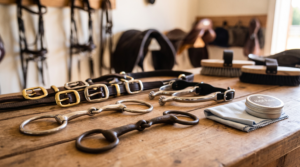
The hardware attached to your leather goods—like the buckles, rings, and snaps on your halters, bridles, and breastplates—can be tricky to clean without ruining the surrounding material.
How do you polish buckles on halters and bridles?
-
Shield the leather: Slide a piece of heavy cardstock or a thin plastic shield between the metal buckle and the leather strap. This prevents metal polish from staining or drying out the leather.
-
Apply the correct polish: Use a non-toxic metal polish specific to your hardware (brass polish for brass, chrome/steel polish for stainless steel). Apply a small amount with a soft cloth.
-
Buff carefully: Rub the polish in small circles until the tarnish lifts, then use a clean section of the cloth to buff the hardware to a brilliant shine.
-
Clean the hardware bases: Use a cotton swab to clear away any green verdigris (the crusty buildup that forms on brass and copper) from the base of the rivets and snaps.
What Are the Best Step-by-Step Rust Prevention Tips?
To maximize the lifespan of your tack shop inventory or personal gear, follow these golden rules of rust prevention:
-
Step 1: Control the climate. Store all hardware in a dry, well-ventilated tack room. Consider using a dehumidifier or moisture-absorbing packets (silica gel) in your storage cabinets.
-
Step 2: Never put tack away wet. Whether caught in the rain or dealing with a sweaty horse, always take the time to wipe down all metal surfaces before storage.
-
Step 3: Separate damp materials. Do not hang wet saddle pads or sweaty girths over metal saddle racks or draped across bits and halters.
-
Step 4: Oil moving parts regularly. Snap hooks, spur rowels, and bit hinges should be lightly oiled monthly to repel moisture and maintain smooth operation.
Source Rust-Resistant, Premium Hardware
Starting with high-quality materials is the best defense against hardware failure. At Legacy Equine Industry, our manufacturing process prioritizes precision engineering and premium metallurgy. From our perfectly polished stainless steel bits and flawlessly balanced spurs to the heavy-duty, rust-resistant buckles on our expertly stitched halters, we build gear designed to withstand the rigors of daily equestrian life.