
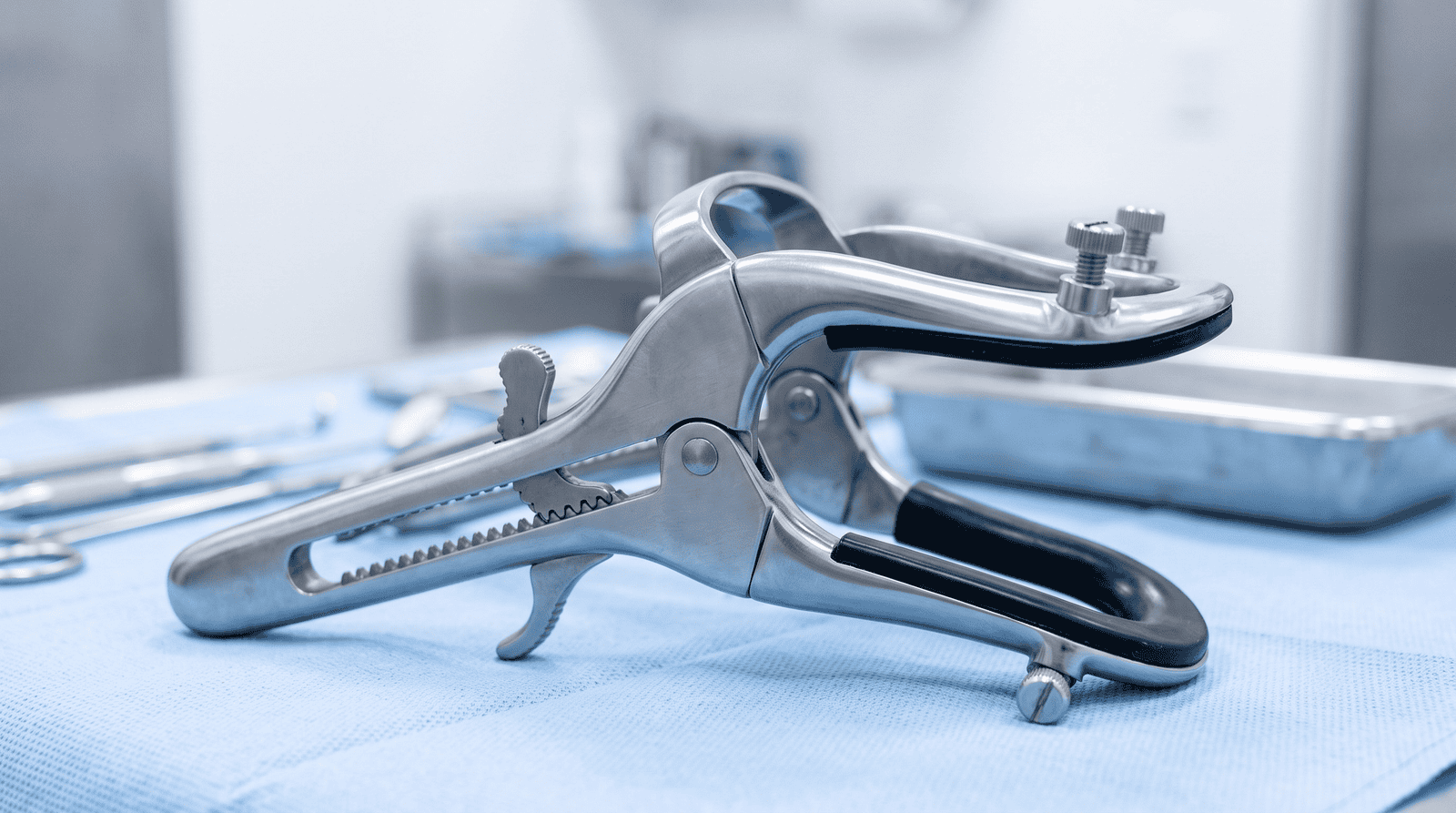
For equine veterinarians and dental technicians, routine floats and complex extractions demand the highest level of precision. But before any internal work can begin, securing the horse’s mouth safely and comfortably is paramount. The most critical tool in achieving this is the equine dental speculum (often referred to as a horse mouth gag).
Not all speculums are created equal. The mechanics of the tool—specifically its locking mechanisms, mouthplate variations, and overall material design—directly impact both patient safety and practitioner efficiency.
Whether you are outfitting a new mobile veterinary practice or stocking up your distribution warehouse with premium equine veterinary instruments, this guide will break down how to choose the right equine dental speculum.
The Core Mechanics of a Dental Speculum
A high-quality speculum must perform a delicate balancing act: it needs to be robust enough to withstand the immense jaw pressure of a horse, yet engineered with enough precision to open and close smoothly without causing panic or trauma to the TMJ (temporomandibular joint).
When evaluating a speculum, the two most important mechanical features to scrutinize are the locking mechanism and the mouthplates.
Understanding Locking Mechanisms: Ratchet vs. Friction
The locking mechanism dictates how the speculum holds the mouth open and, crucially, how it releases pressure.
-
Ratchet-Style (Click-Lock) Mechanisms: This is the traditional standard, often seen in the classic McPherson style speculums. It uses a toothed gear and a spring-loaded pawl.
-
Pros: Extremely secure. Practitioners know exactly when the lock is engaged by the audible “click.”
-
Cons: The release can sometimes be abrupt. If a horse throws its head, releasing a highly tensioned ratchet requires a firm hand to prevent the mouth from snapping shut.
-
-
Friction-Style (Spool or Infinite) Mechanisms: Newer, advanced models utilize a friction-locking spool.
-
Pros: This allows for infinite, micro-adjustments rather than relying on preset teeth. The most significant advantage is the smooth, controlled release, which drastically reduces the risk of spooking the horse or jarring the TMJ when finishing the procedure.
-
Cons: Requires high-quality manufacturing tolerances; cheap friction locks can slip over time.
-
Mouth plate Variations: Choosing the Right Fit
The mouth plates are the direct point of contact with the horse’s incisors. Selecting the right variation ensures the horse remains comfortable, reducing anxiety during the dental float.
-
Standard Incisor Plates: Ideal for the majority of adult horses. These plates are cupped to securely cup the upper and lower incisors. Look for plates lined with durable, replaceable synthetic materials (like hard rubber or polyurethane) to protect the tooth enamel from metal-on-metal contact.
-
Gum Plates (Edentulous Plates): A must-have in any comprehensive veterinary kit. These are designed for senior horses missing front incisors or young horses shedding caps. Instead of resting on the teeth, the plates are wider and rest comfortably on the gums.
-
Offset Plates: These allow for specialized access, shifting the jaw slightly to give the practitioner a better angle for complex extractions or addressing severe hooks and ramps in the back molars.
Prioritizing Patient Safety and Hygiene
When dealing with equine dental instruments, safety and sterilization go hand in hand.
Material Considerations
Always opt for high-grade stainless steel. Stainless steel offers superior tensile strength to prevent bending under pressure and is entirely rust-resistant, making it safe for autoclaving and daily exposure to water and chlorhexidine solutions.
Strap Design: Leather vs. Biothane
While traditional leather straps look classic, Biothane is rapidly becoming the material of choice for modern veterinary practices. Biothane is non-porous, meaning it will not absorb saliva, blood, or bacteria. It can be wiped completely clean with a disinfectant between patients, preventing cross-contamination, and it will not crack or stretch out over time.
Frequently Asked Questions (FAQ)
What is the safest dental speculum for a horse?
The safest dental speculum is typically a high-grade stainless steel McPherson-style speculum with a smooth-release friction lock and Biothane strapping. This combination ensures maximum strength, hygienic cleaning, and a controlled release that protects the horse’s TMJ.
How often should I replace speculum mouth plate inserts?
Synthetic mouthplate inserts should be inspected before every use. They should be replaced immediately if you notice deep gouges, cracking, or if the material has worn down enough to expose the underlying metal.
Can one speculum fit all horses?
No. While full-size speculums fit most standard light horses and warmbloods, veterinarians should stock specific pony-sized and draft-sized speculums to ensure a safe, secure fit across all breeds without overstretching the jaw.
Source Premium Equine Veterinary Instruments
Equine dentistry requires tools that will not fail under pressure. At Legacy Equine Industry, we manufacture veterinary-grade equine dental speculums engineered for precision, durability, and patient comfort. From smooth-release locking mechanisms to easily sterilized Biothane strapping, our instruments are designed to meet the rigorous demands of modern equine practices.

One Response
Hi, this is a comment.
To get started with moderating, editing, and deleting comments, please visit the Comments screen in the dashboard.
Commenter avatars come from Gravatar.